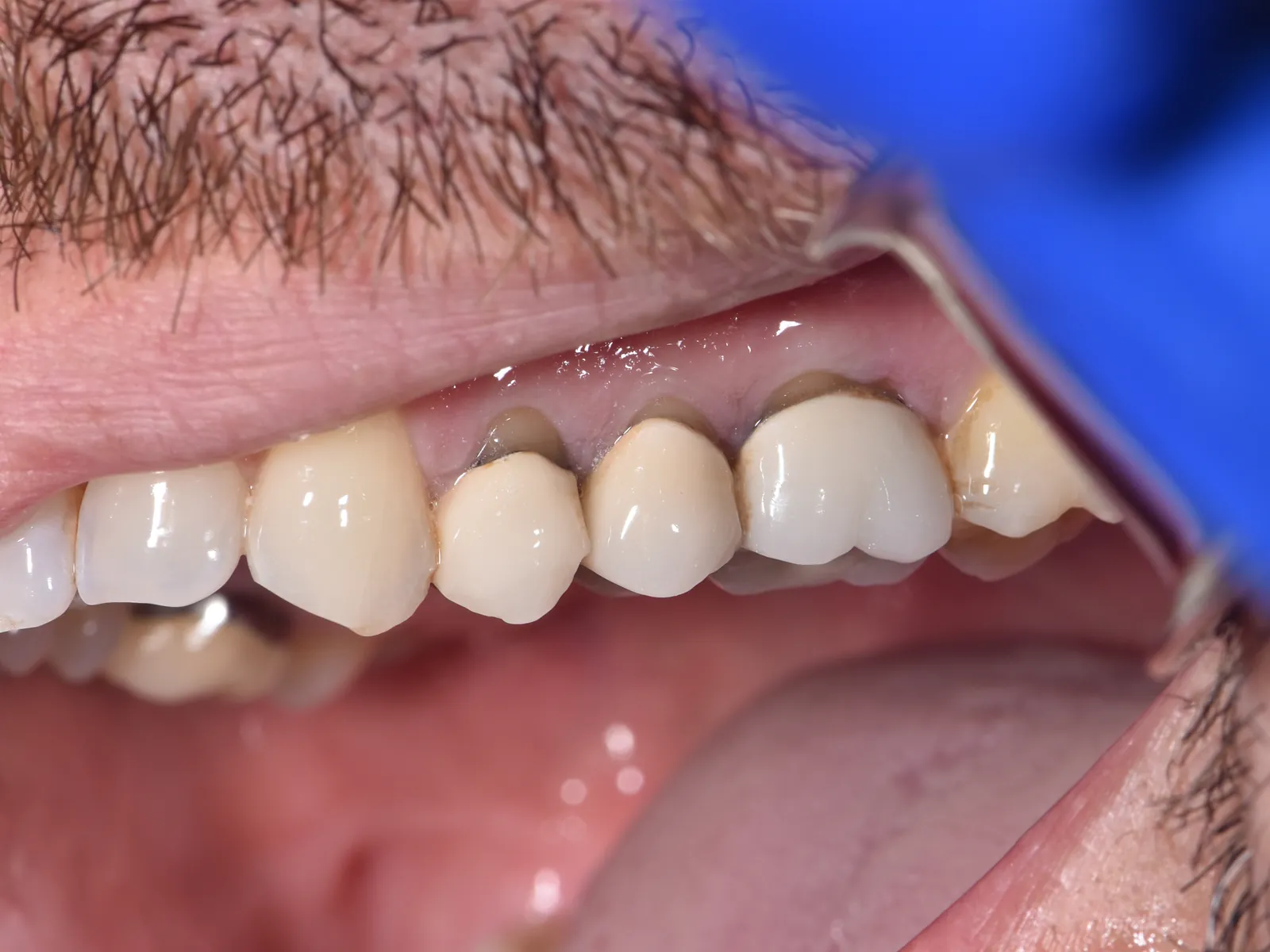
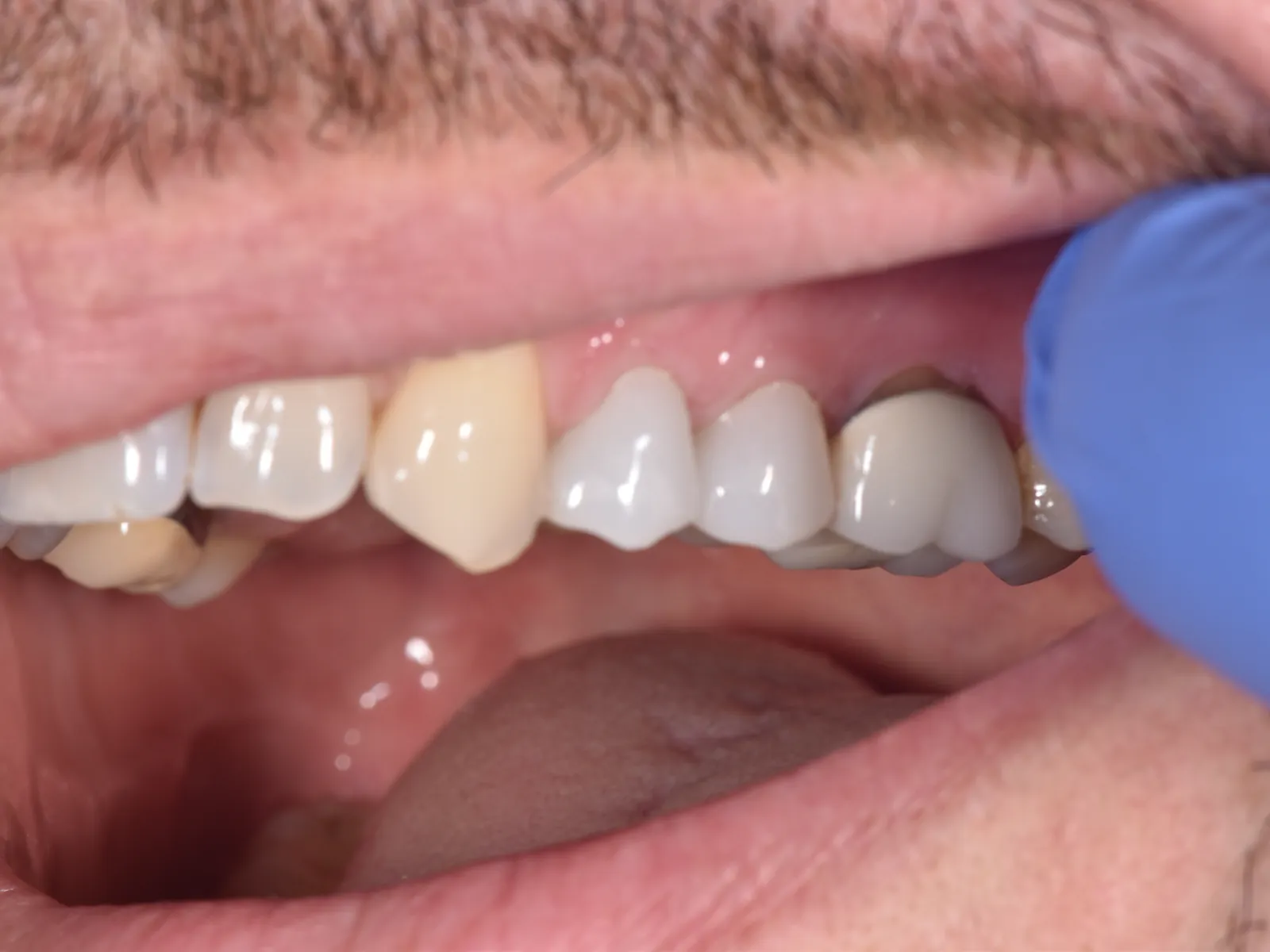
A dental crown is a custom-made cap that covers the whole tooth. The tooth is shaped to hold it, and the crown is made from strong porcelain or another durable material that looks and feels like a natural tooth. It is bonded in place and restores the tooth's shape, function and appearance.
Crowns protect weak teeth from further damage and from decay. Without one, a badly damaged or decayed tooth can lead to infection and eventually tooth loss. A crown can also hold a cracked tooth together, and it is a common finish after a root canal or on top of an implant.
When a filling is not enough
Fillings suit small and medium cavities. They do not have the strength to rebuild a badly damaged tooth. Your dentist may suggest a crown if you have:
A large cavity that a filling cannot treat.
A tooth with extensive fillings that is at risk of breaking.
A substantial chip or crack from an injury or from grinding.
A tooth that has had a root canal.
A discolored or misshapen tooth you want restored.
Why keep the tooth
Veneers and bonding can fix minor damage. Crowns are for deeper damage that puts the tooth at risk.
Preserving the tooth with a crown also helps you avoid the bone loss and shifting teeth that follow a missing tooth. If decay has taken too much of the tooth, an implant or bridge may be the better choice.
We help you choose the material that fits the tooth and your bite.
Porcelain and ceramic
Natural-looking crowns that blend with your teeth, a common choice for visible teeth.
Zirconia
A strong, tooth-colored material that holds up well and replaces older metal-based crowns without dark lines at the gum.
Metal
Durable for back teeth where strength matters most.
Same-day and temporary crowns. Where the technology allows, a crown can be made and placed in one visit. Otherwise a temporary crown protects your tooth while the permanent one is made.
The process
What to expect.
Numbing and preparation
We numb the area so you stay comfortable. The damaged part of the tooth is removed and the tooth is shaped into a strong base for the crown.
Impressions and a temporary
Impressions are used to make your permanent crown in a dental lab. A temporary crown protects the tooth before you leave.
Placement
In about two to three weeks you return. We check the fit, color and bite, then bond the crown in place.
About 2 to 3 weeks
Making your crown last.
Care
A crown cannot prevent decay or gum disease at its edges, so good habits still matter.
Brush twice a day with fluoride toothpaste and floss daily, especially at the gum line.
Avoid hard or sticky foods and never use your teeth as tools.
If you grind your teeth, wear a night guard.
Cut back on coffee, tea, soda and berries, or rinse with water afterward. Crowns do not respond to whitening, so prevention matters.
Keep your six-month checkups so we can watch the crown and the tooth beneath it.
Crowns do not last forever. Many last for years, and replacement is often straightforward.
Insurance
Crowns are usually treated as major or restorative care, and plans often cover part of the cost when the crown is medically necessary. Cosmetic-only crowns are generally excluded, and annual maximums and waiting periods can apply.
We check your benefits and give you a written estimate.
When a tooth is too damaged for a filling: a large cavity, a crack or heavy chip, extensive old fillings, or after a root canal. An exam and X-rays will tell us.
How long do crowns last?
Often many years with good care. Material, your bite, grinding and oral hygiene all affect it, and your checkups let us catch problems early.
Is the procedure painful?
The tooth is numbed, so you should feel pressure but not pain. Some tenderness afterward is normal and usually settles quickly.
How do I care for a crown?
Brush and floss as you would for natural teeth, protect it from grinding and hard foods, and keep your cleanings every six months.
Can crowns be whitened?
No. Whitening does not change crown material. If you plan to whiten your teeth, do it first so the crown can be matched to the new shade.
What if my crown falls off?
Call the office as soon as you can and keep the crown. Do not use glue. We often see lost crowns the same day as an emergency. See emergency care.