Teeth whitening
How to treat sensitivity after teeth whitening
A little sensitivity after whitening is common, and it usually passes. Here is how to stay comfortable in the meantime.
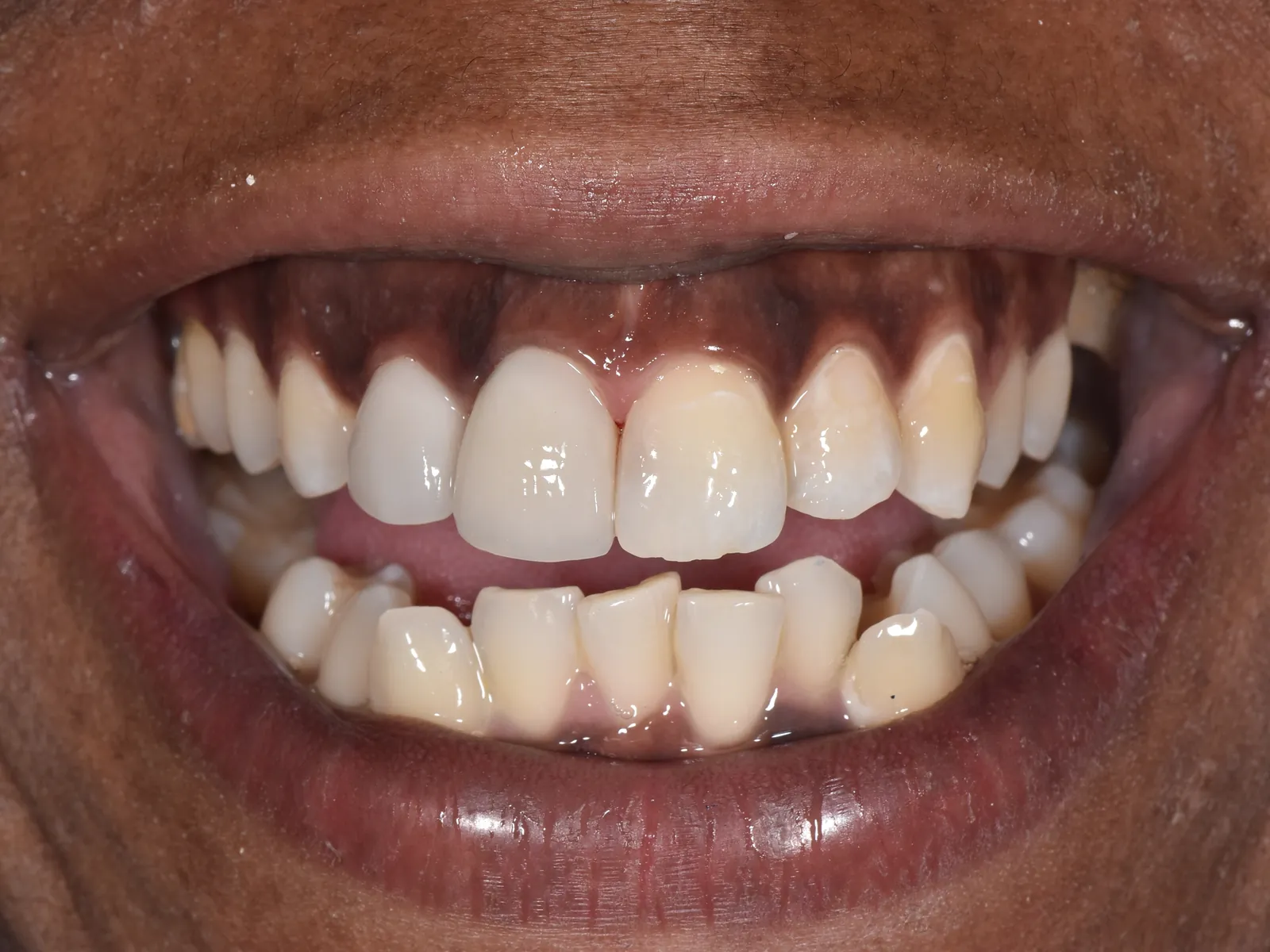
Why whitening can cause sensitivity
Whitening gels work by letting peroxide move through the outer layer of your teeth. This can irritate the nerve inside for a short time. The result is a zing when you drink something cold, breathe in cold air or have a sip of something hot. It is usually temporary and fades within a few days.
Simple ways to feel better
- Use toothpaste made for sensitive teeth. Switching a few days before whitening, and keeping it up afterward, can help.
- Keep using fluoride toothpaste. Brushing twice a day for two minutes supports enamel.
- Brush gently. Use a soft toothbrush and light pressure.
- Avoid extremes. Skip very hot or very cold drinks and foods for a few days.
- Skip acidic foods. Citrus, soda and wine can bother sensitive teeth.
- Take a break. If you whiten at home, pause for a day or two before the next round.
Planning ahead helps
If you know your teeth are sensitive, tell us before whitening. We can recommend the right approach, adjust how treatment is done and suggest preparing with sensitivity toothpaste first. In-office whitening lets us watch how your teeth respond as we go. Read more on our teeth whitening page.
When sensitivity is not normal
Call your dentist if sensitivity lasts more than a few days, gets worse, or comes with lasting pain, swelling or sore gums. Sharp pain in one tooth could be unrelated to whitening, such as a cavity or a crack that the whitening gel has reached. An exam can tell the difference.
How long should it last?
For most people, sensitivity fades within a day or two and is gone within a few days. If you notice it easing a little each day, that is a good sign. If it is staying the same or getting stronger, stop whitening and call us so we can take a look.
Keeping results comfortable long term
Sensitive teeth do not always rule out whitening. Gentler gels, shorter sessions and spacing treatments apart are all options. Regular cleanings also remove surface stains, so you may need whitening less often. We will help you find a routine that suits your teeth.
A few things to avoid
Some habits make sensitivity linger. Whitening strips or gels used more often than directed can irritate teeth. Hard brushing, especially with a stiff brush, wears at the area that is already tender. Very cold water or ice on freshly whitened teeth is another common trigger.
Stains can also return faster if you go straight back to coffee, tea or red wine. Giving your teeth a couple of calm days helps with both comfort and results, and a good cleaning routine keeps your smile bright afterward.
Who should check first
Whitening works best on healthy teeth. Cavities, worn enamel and gum recession can all make sensitivity worse, so we treat any problems before whitening. Whitening also does not change the color of crowns, veneers or fillings, which matters if you are planning other cosmetic dentistry.
Thinking about whitening? Book a consultation and we will help you choose an approach that keeps you comfortable.