Dental implants
How long does a dental implant last?
Implants are designed to be a long-term way to replace a tooth. How long yours serves you depends on a few things you can influence.
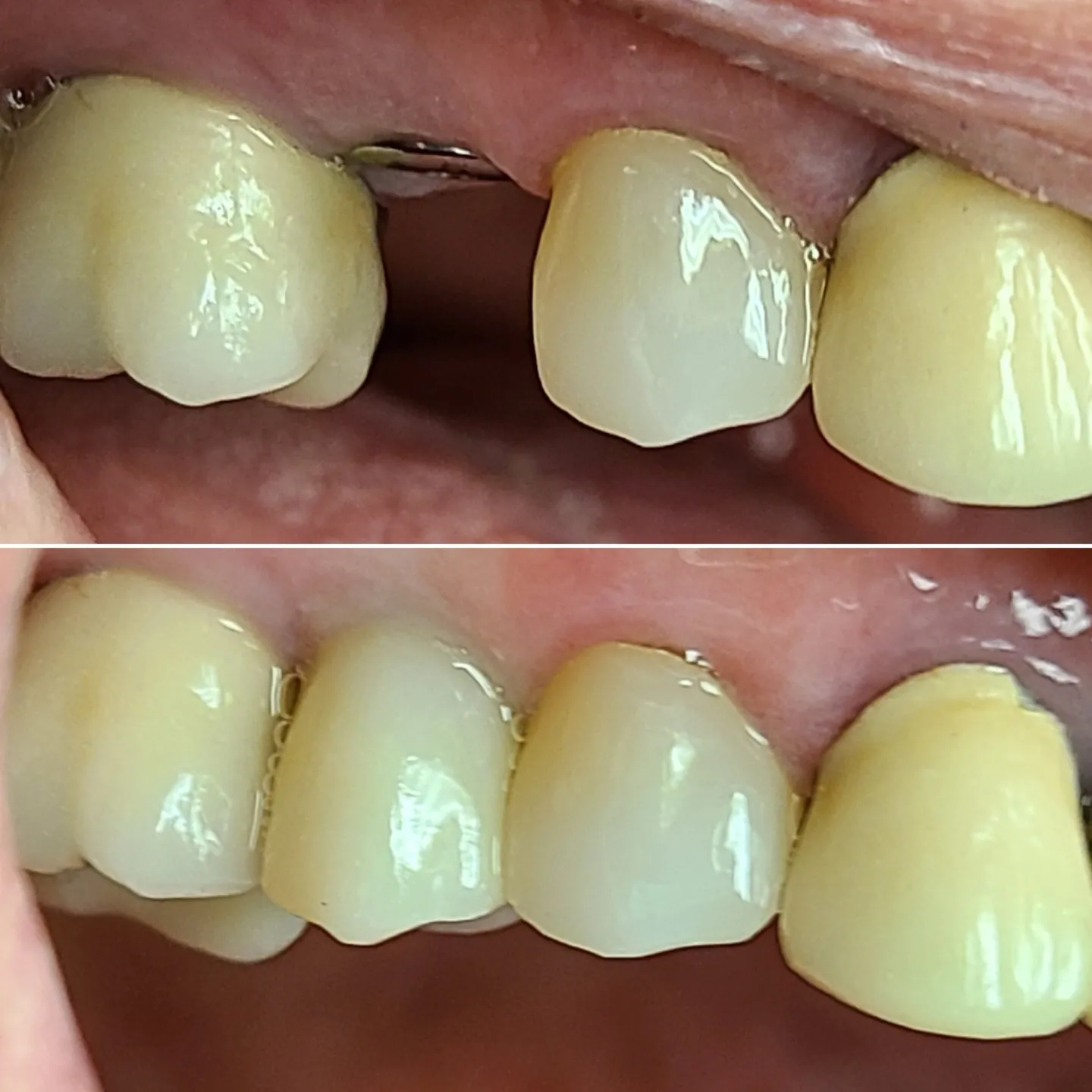
What an implant is made of
A dental implant has three parts. The implant itself is a small post, usually titanium, that sits in your jawbone and works like a tooth root. The abutment connects the post to the third part, the crown, which is the visible tooth.
The post and the crown do not age in the same way. The post is anchored in bone and is built to stay for the long term. The crown is the part that does the chewing, so like any dental restoration it can wear over time and may eventually need to be replaced. Replacing a crown is a much smaller procedure than replacing an implant.
Why implants are called long-term
Natural teeth are held in place by a root and the bone around it. An implant bonds with your jawbone in a similar way, which is why it feels stable and can restore strong chewing. Because the post is not a natural tooth, it cannot get a cavity. It can, however, be affected by gum disease around it, which is why daily care still matters.
We do not promise a number of years. Anyone who does is guessing, because the answer depends on the person. What we can say is that implants are designed to last, and that many patients enjoy theirs for a very long time when they look after them.
What helps an implant last
- Daily brushing and cleaning between your teeth, including around the implant.
- Regular checkups and cleanings, so we can spot gum changes early.
- Healthy gums. Gum disease is the main threat to an implant, so treating it matters.
- Good general health. Conditions such as diabetes can affect healing, so tell us about your health history.
- Not smoking. Tobacco slows healing and raises the risk of problems around implants.
Habits matter too. Clenching or grinding your teeth puts extra force on an implant crown, and a nightguard may be recommended. Chewing ice, biting your nails or using your teeth to open packages can chip a crown.
Does location matter?
It can. Teeth in the back of the mouth handle the heaviest chewing forces, so those crowns may show wear sooner than front teeth. The quality and amount of your bone also affect how well an implant holds. That is why we take scans and plan each implant carefully before any surgery.
What our team does
Dr. GiTae Kwon is an implant surgeon who also teaches implant surgery to other dentists, and his plan for each patient starts with careful imaging and a look at bone, gums and bite. You can read more about him on our doctor page. To see the different options, visit our pages on single tooth implants and dental implants, or on preventive care to learn how checkups protect your implant.
Warning signs to watch for
Tell us if you notice bleeding or redness around an implant, a bad taste, a loose crown, or soreness when you bite. These can be early signs that something needs attention, and they are far easier to treat early. Do not wait for your next scheduled visit.
The honest answer
An implant is an investment in the long term, and your daily care is a big part of the return. An exam is the only way to know how an implant would do in your mouth, so we would be glad to look at your situation and talk it through.
Curious about replacing a missing tooth? Book a consultation and we will explain what an implant could mean for you.